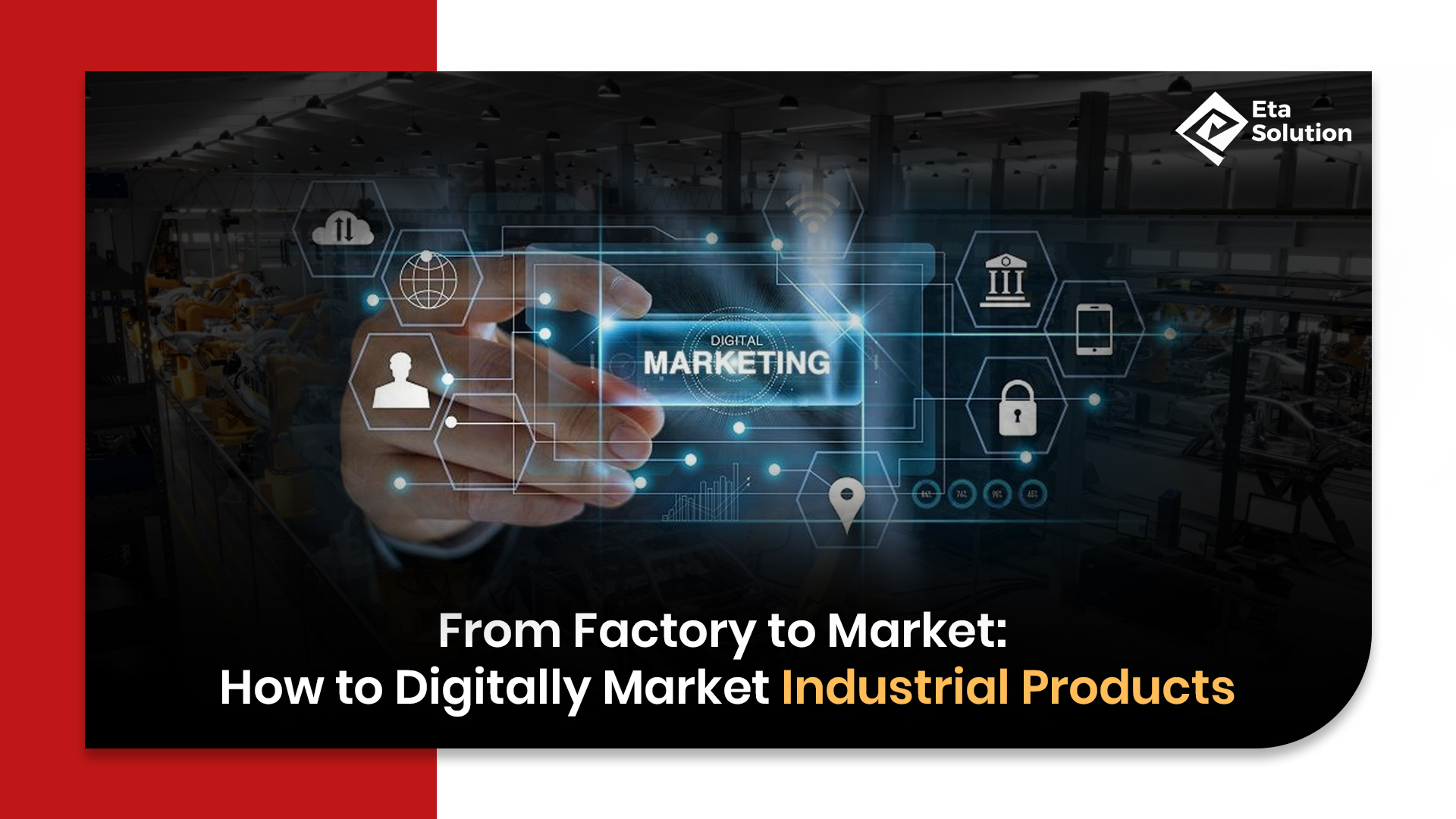
How to Digitally Market Industrial Products Effectively
Big manufacturing firms used to depend on trade expos, catalog listings, and cold calls to get contracts. Now, purchasing managers look through LinkedIn feeds, Google search results, and YouTube demos before they take a sales call. The industrial buying journey has moved online and it’s brutally competitive. Brands that master industrial digital marketing are no longer just visible; they’re the ones winning multimillion-dollar deals while others are still waiting for inquiries.
Let’s break down how the industrial sector is being reshaped by digital strategy and what it takes to market industrial products effectively in this new era.
Industrial Marketing Landscape
Industrial marketing has evolved from being relationship-driven to data-driven. A recent report by GlobalSpec found that over 70% of engineers and technical professionals research suppliers online before contacting them. Traditional offline touchpoints have been replaced with digital ecosystems where content, visibility, and trust determine your place in the buyer’s shortlist.
Unlike consumer marketing, B2B manufacturing marketing involves:
- Longer sales cycles: The acquisition of complex machines or systems cannot be done in a matter of minutes.
- Multiple stakeholders: The decision-making for purchases will involve the engineers, the CFO, and the procurement manager.
- Requirement of technical content: Buyers need to have the most exact specifications, certifications, and performance demonstrations.
Industrial companies that mount their B2B marketing strategy in consideration of these facts succeed. On the other hand, those who do not are, in a way, going unnoticed irrespective of their production capacity.
Why Digital Marketing Is Necessary for Industrial and Manufacturing Businesses
The pandemic was like a rocket that accelerated digital transformation manufacturing which rapidly developed online sales channels, virtual demos, and lead automation systems. 70% of B2B decision-makers now prefer remote or digital interactions, a McKinsey study has found.
Online activities are not limited to digital marketing but the latter is more about:
- Being found in search is the new word of mouth.
- Online product catalogs are the new format for brochures.
- Precisely targeted B2B product promotion have very little wastage of resources and through them, you can reach buyers worldwide.
If one thinks about it, industrial marketing nowadays is simply a way of making business relations personal which in turn helps to establish the initial contact, carry out negotiations, and finally, conclude deals without doing the usual roundtrip of international flights.
Building a Strong Online Presence for Industrial Brands
The majority of industrial enterprises do not realize how potent their digital base can be. Building a strong online presence is based on:
- Technically top-notch website: A site that is quick to load, works well on mobile devices, and is SEO-structured with optimized metadata.
- Correctly described product pages: Specs that are detailed enough, datasheets that can be downloaded, user guides, and CAD files.
- Assets that garner the consumer’s trust: ISO certifications, customer testimonials, and “Behind the Factory” videos.
Powered by online marketing for factories like Siemens and Schneider Electric have transfigured digital platforms into engineering-friendly factories. Companies’ websites these days are not only tools for selling but also for educating.
Industrial brand awareness which is nowadays as quantifiable as production output is directly influenced by this emphasis on usability and credibility.
Effective B2B SEO Strategies for Industrial Products
Here’s where your main keyword comes into play: Digital Marketing for Industrial Products thrives on robust SEO. Industrial buyers are searching for “CNC precision parts supplier USA” or “pharma-grade stainless tanks manufacturer.” If your pages aren’t optimized for such intent-based searches, you’re invisible.
Smart industrial SEO involves:
- Niche keyword targeting: Focus on technical search queries relevant to your exact segment.
- Content clusters: Build topic-based pages like “Automotive Casting Solutions” linked to case studies and blogs.
- Schema markup: Helps search engines understand your technical data.
The result? You not only appear on Google but also look like the most authoritative option on the page.
Using PPC and LinkedIn Ads to Target Industrial Buyers
Forget broad ad targeting. Industrial PPC and LinkedIn marketing for B2B are now laser-focused. The most successful PPC for manufacturers campaigns use high-intent search terms and LinkedIn filters to target by job title, company size, or industry.
Example: ABB ran a LinkedIn campaign offering a whitepaper on “Energy-efficient automation.” Instead of pushing a product, they promoted insight earning over 40% higher engagement than average.
LinkedIn’s analytics let you track who viewed or downloaded your content turning ads into actionable leads. That’s where real lead generation for B2B begins.
Content Marketing Ideas for Manufacturing and Engineering Companies
Technical buyers crave substance. That’s why content marketing for industry must speak their language proof over fluff. You can produce:
- Factory process videos: Show production quality.
- Technical blogs: Reveal the actual engineering challenges that were overcome through your solution.
- Webinars or expert interviews: Use them to depict your brand as a leader in the industry.
An interesting fact is that, according to HubSpot 2024, B2B companies that produce educational content have a lead generation increase of 67% on a monthly basis. Therefore, if you spend money on stories and data, the money will return to you, but only if you are genuine.
Leveraging Email Marketing and Automation for Lead Nurturing
Manually following a lead from every prospect is impossible. Here is where marketing automation for industry becomes essential. By means of tools such as HubSpot or ActiveCampaign, you are able to divide your database according to project stage or industry vertical.
Successful industrial email campaigns should:
- Provide technical insights.
- Have clickable CTAs such as “Download the Pressure Vessel Design Guide.”
- Match content frequency with the sales cycle.
Automated drip campaigns make prospects ‘temperature’ comfortable and keep them updated until they are sales-ready.
The Role of Video Marketing and Product Demonstrations
The video is the new factory tour. Short explainer videos or virtual walkthroughs humanize complex processes. According to Wyzowl’s 2024 State of Video Marketing, 89% of B2B buyers said videos influenced their purchase decisions.
Great examples include:
- Caterpillar’s “Built For It” series emotional storytelling mixed with product durability demos.
- Bosch Rexroth’s virtual factory tours 3D walkthroughs that allow engineers to explore assembly lines digitally.
These aren’t vanity plays; they directly increase engagement and shorten decision cycles.
Using Analytics and Data to Measure Industrial Advertising Performance
Data has replaced guesswork. Modern industrial digital marketing strategies revolve around KPIs like:
- Website conversion rate
- Cost per qualified lead
- Time on product pages
- Engagement rates on technical content
Platforms such as Google Analytics 4 and HubSpot dashboards have the capability to monitor offline conversions that result from digital campaigns. Such coupling leads to more precise budget allocation and scaling based on the performance.
Next Trends in Industrial Digital Marketing
The Industrial marketing will be increasingly focused on personalization and the use of predictive analytics. Some of the things you can expect to see are:
- AI-driven demand forecasting to optimize campaign timing.
- AR/VR product demos replacing trade shows.
- Voice search optimization for engineers using smart assistants in the field.
By 2030, over 60% of B2B industrial interactions are projected to happen through digital channels, according to Deloitte.
The transformation isn’t optional, it’s already defining market leaders.
Final Take
Factories no longer compete on output alone; they compete on visibility, precision, and relevance. The next industrial revolution isn’t about automation on the floor, it’s about automation in marketing.
If your brand isn’t discoverable online, it doesn’t matter how advanced your machines are. The power to sell globally now lies in mastering Digital Marketing for Industrial Products and the sooner industrial leaders embrace that, the faster they move from factory floors to boardroom deals.
Because in today’s market, your next big buyer might never set foot in your plant; they’ll just click “Contact Supplier.”
Technical blogs, datasheets, case studies, factory tour videos, capability pages, and application guides work best for industrial audiences.
By optimizing product pages, running targeted Google Ads, listing on B2B portals, publishing technical content, and offering downloadable assets like datasheets.
Use technical keywords, add detailed specs, create category and product pages, improve load speed, and ensure proper on-page SEO (titles, headers, schema).
Track RFQs, conversion rates, organic ranking, cost per lead, website engagement, and lead quality through a CRM.
SEO takes 3–6 months, while paid ads and B2B marketplaces can generate leads faster—within days or weeks.

What started as a passion for marketing years ago turned into a purposeful journey of helping businesses communicate in a way that truly connects. I’m Heta Dave, the Founder & CEO of Eta Marketing Solution! With a sharp focus on strategy and human-first marketing, I closely work with brands to help them stand out of the crowd and create something that lasts, not just in visibility, but in impact!

Google Ai Content Guidelines
How User Intent Drives Modern Search Strategies